
The Importance of Play and “Special Time” in Supporting Communication

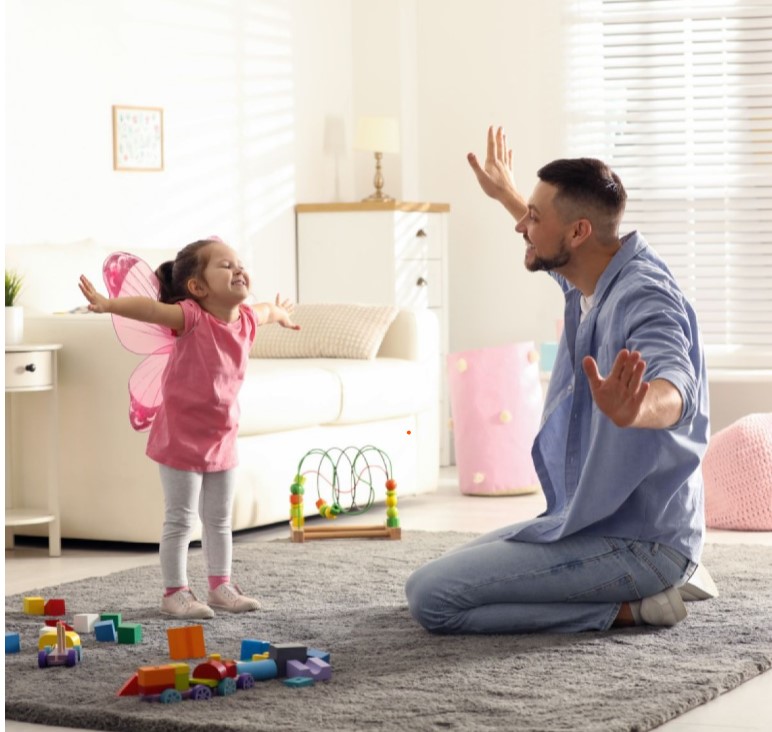
Play is not just something children do for fun—it is one of the most important ways they learn to communicate, connect, and understand the world around them. For children developing speech, language, and social communication skills, play is the foundation.
At Talkbox Children’s Clinic, we often talk about the value of “special time”—a simple but powerful way for parents and carers to support their child’s development through connection and play.
Why Play Matters for Communication
Through play, children learn:
- How to take turns
- How to share attention (joint attention)
- How to use and understand language
- How to express ideas, feelings, and needs
- How to interact with others
Play provides natural, meaningful opportunities for communication—far more effective than drills or direct questioning.
When a child is engaged and enjoying themselves, they are more motivated to communicate, which is where real progress happens.
What Is “Special Time”?
“Special time” is a short, regular period (often 10–15 minutes a day) where:
- The child leads the play
- The adult gives their full, undivided attention
- There are no distractions (e.g. phones, TV)
- There are no demands, corrections, or pressure
It’s not about teaching—it’s about connecting.
Why Special Time Is So Powerful
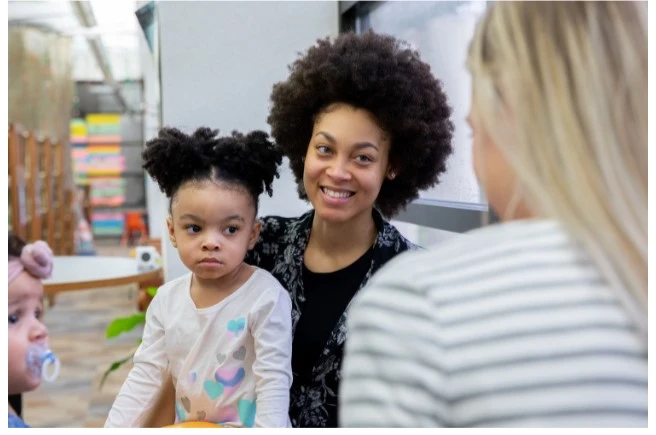
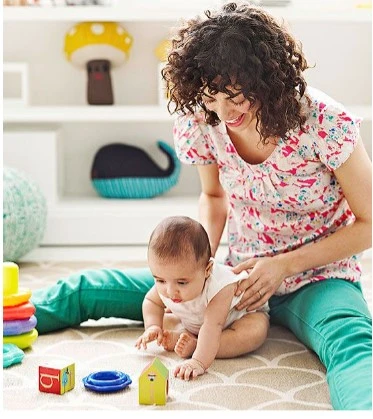
When adults follow a child’s lead:
- The child feels seen, valued, and understood
- Communication becomes natural and meaningful
- Pressure is reduced, which supports confidence
- Interaction becomes something the child wants to engage in
This is especially important for children who may find communication challenging or
overwhelming.
How to Do Special Time at Home
1. Follow Your Child’s Lead
Let your child choose the activity. Join in rather than directing.
2. Get Face-to-Face
Position yourself so your child can see your face—this supports attention and interaction.
3. Comment, Don’t Question
Instead of asking lots of questions, describe what’s happening:
- “You’re building a tall tower!”
- “The car is going fast!”
4. Pause and Wait
Give your child time to respond—whether through words, gestures, or actions.
5. Keep It Simple
Use language that matches your child’s level.
A Neuro-Affirming Approach to Play
A neuro-affirming approach means respecting that children communicate and engage in different ways.
During play, this might look like:
- Joining your child in their interests (even if they are repetitive)
- Valuing non-verbal communication (e.g. gestures, eye gaze, body language)
- Avoiding pressure to perform or “get it right”
- Supporting regulation and comfort first
The goal is not to change how a child plays—but to connect within their world.
The Role of Therapy
At Talkbox Children’s Clinic, play is central to how we support children. Whether in 1:1 sessions or groups, we use play-based, evidence-informed approaches to:
- Build interaction and engagement
- Support language development
- Develop social communication skills
We also work closely with families to help them feel confident using these strategies at home—because the most powerful learning happens in everyday moments.
You don’t need lots of time, expensive toys, or specialist knowledge to support your child’s communication.
Just a few minutes of consistent, child-led “special time” each day can make a meaningful difference.
If you’re unsure how to get started, or would like support tailored to your child, feel free to get
in touch, our team at Talkbox Children’s Clinic is here to help.